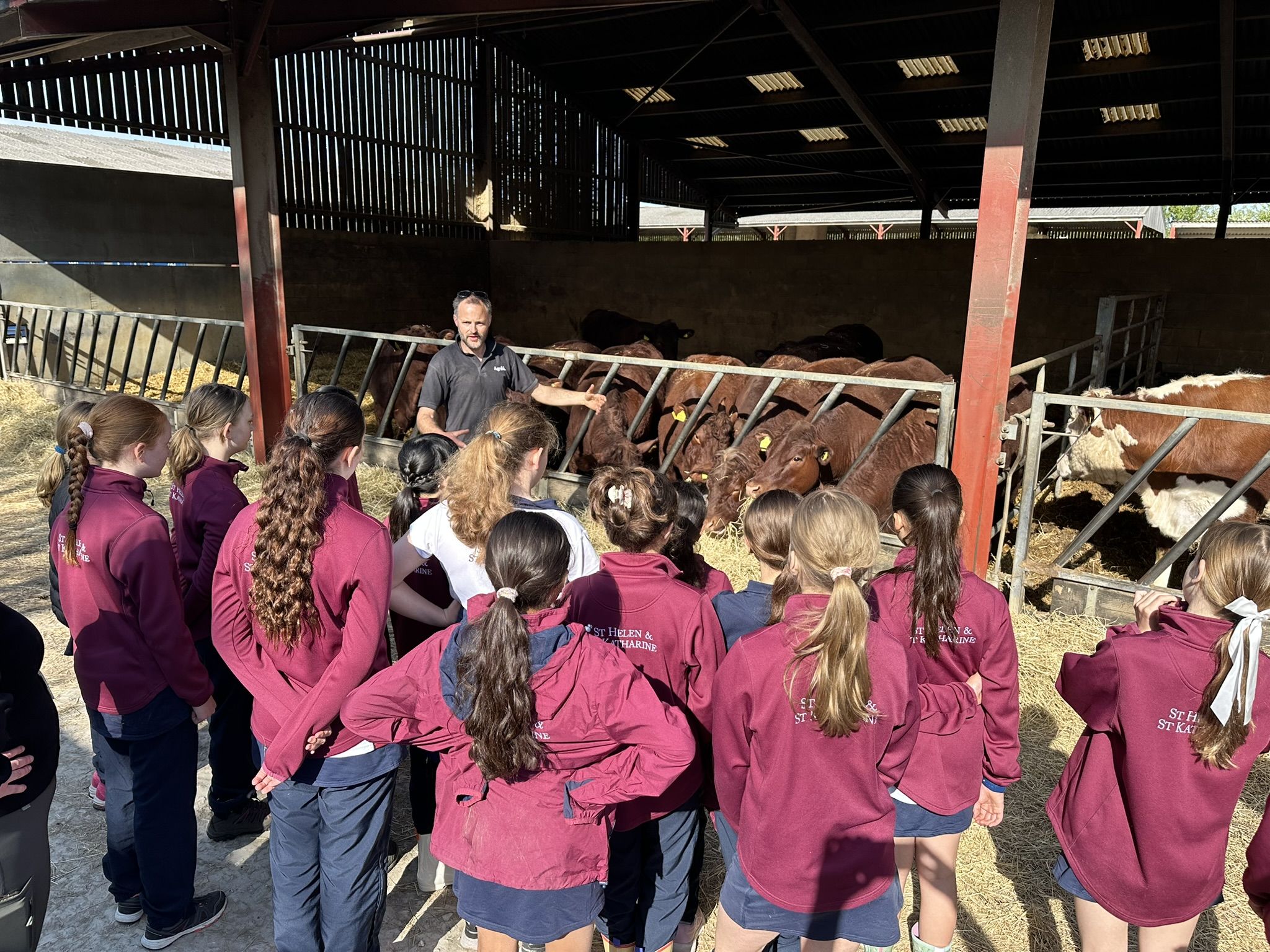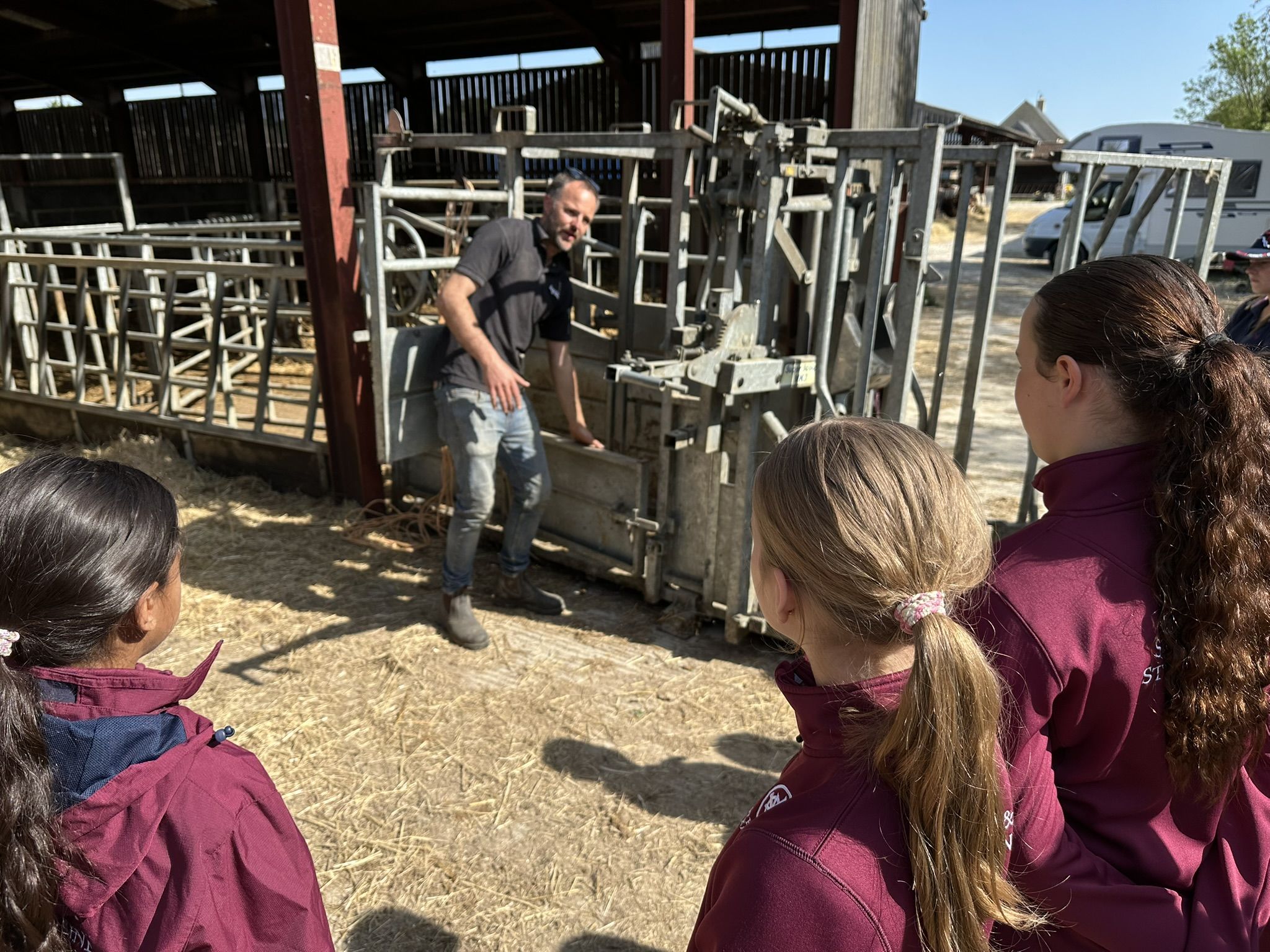



The Juniors enjoyed a fascinating day at Churchill Farm, learning about livestock, sustainability, biodiversity and the realities of modern farming life.
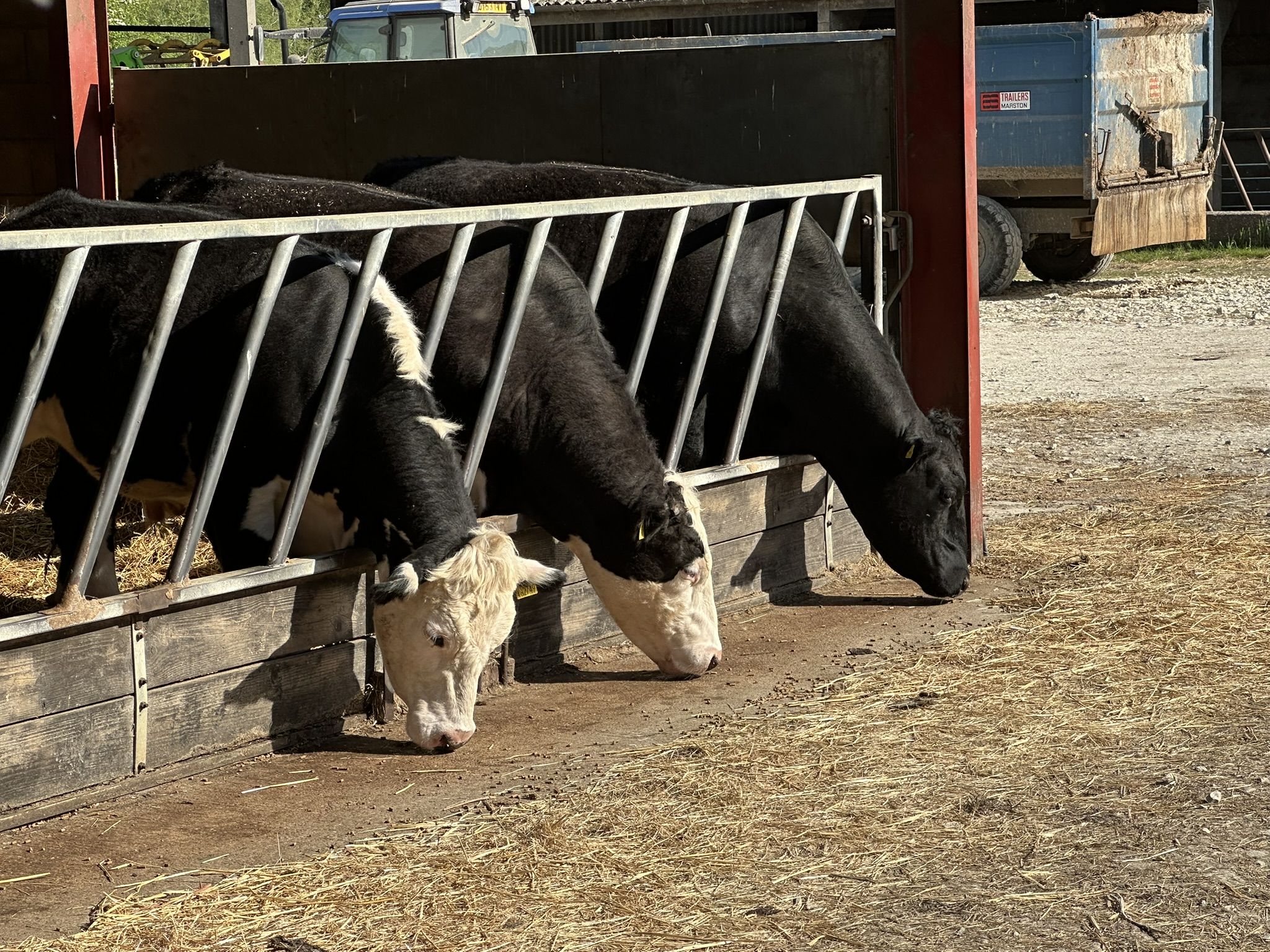
At the farm we were able to see different breeds of cows. Churchill Farm is a beef farm and while they breed their own Ruby Reds, they also provide ‘bed & breakfast’ for other farmers’ cows, meaning that they house the cows and are paid to bring them on ready for market.
We discovered that feeding the cows can be more expensive if they have barley, wheat and soya. Grass and hay are a cheaper alternative, but the process of maturing the animal for market takes much longer. Calves are born weighting roughly 40kg and a cow going to beef is expected to weigh between 600 – 800kg, and this can take a couple of years.
The bull was a bit grumpy as it had an abscess on a tooth and was being treated by the vet. It wasn’t very keen on the farmer! It weighed in at approximately 1000kg, which is about the same as a small car! This bull will be used to sire the next generation of cattle on the farm and will be paired with 4 or 5 cows each year.
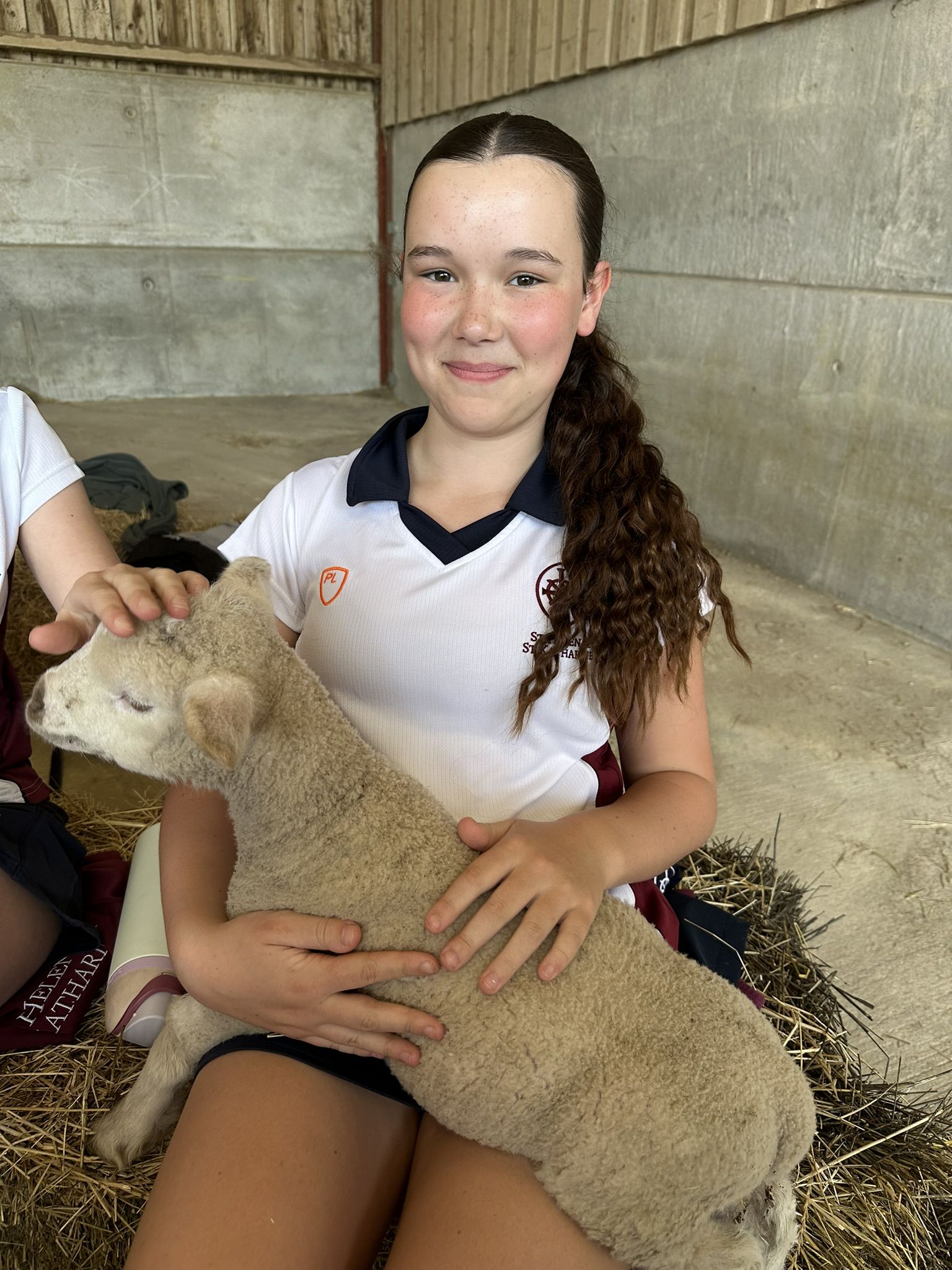
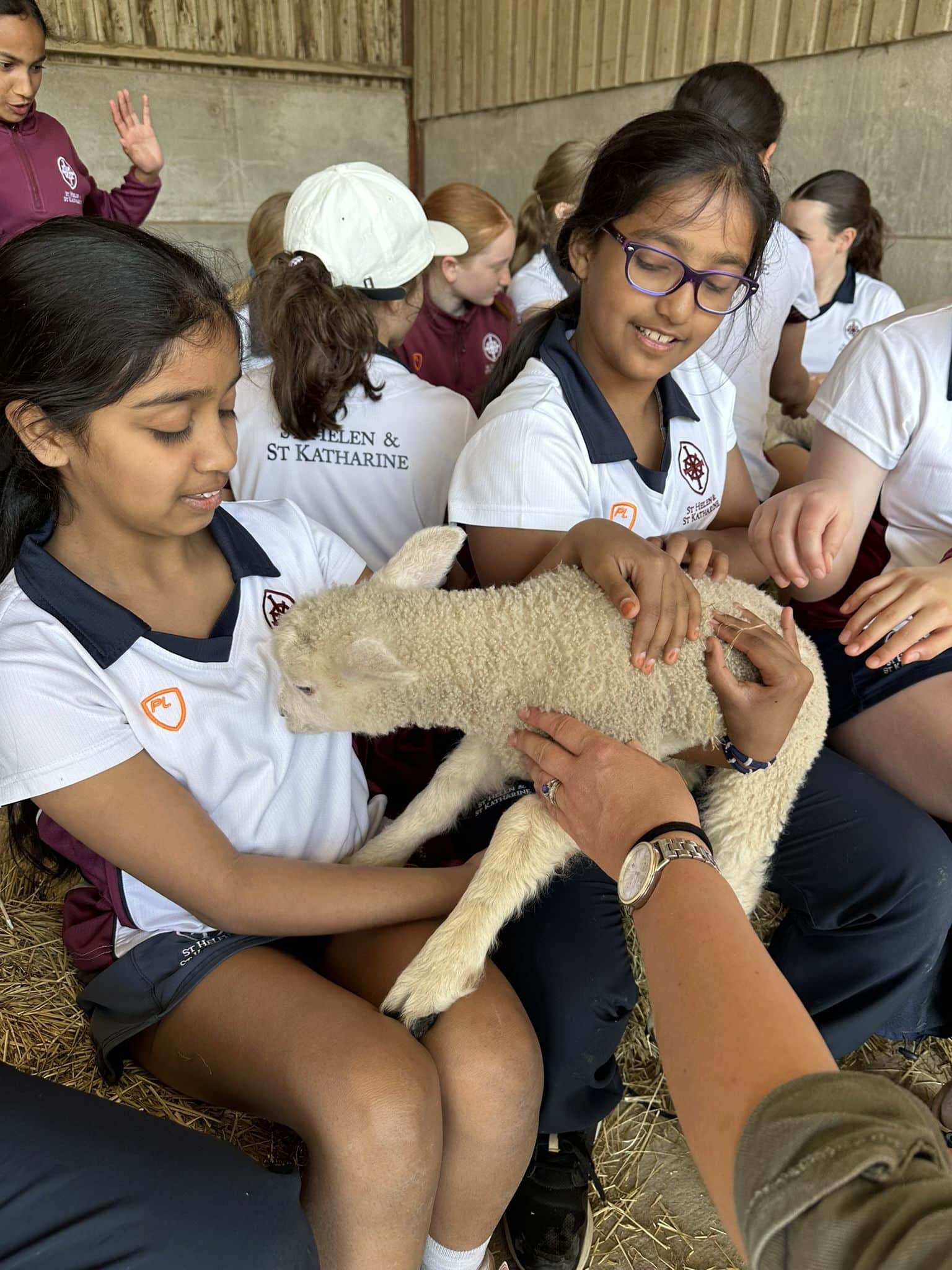
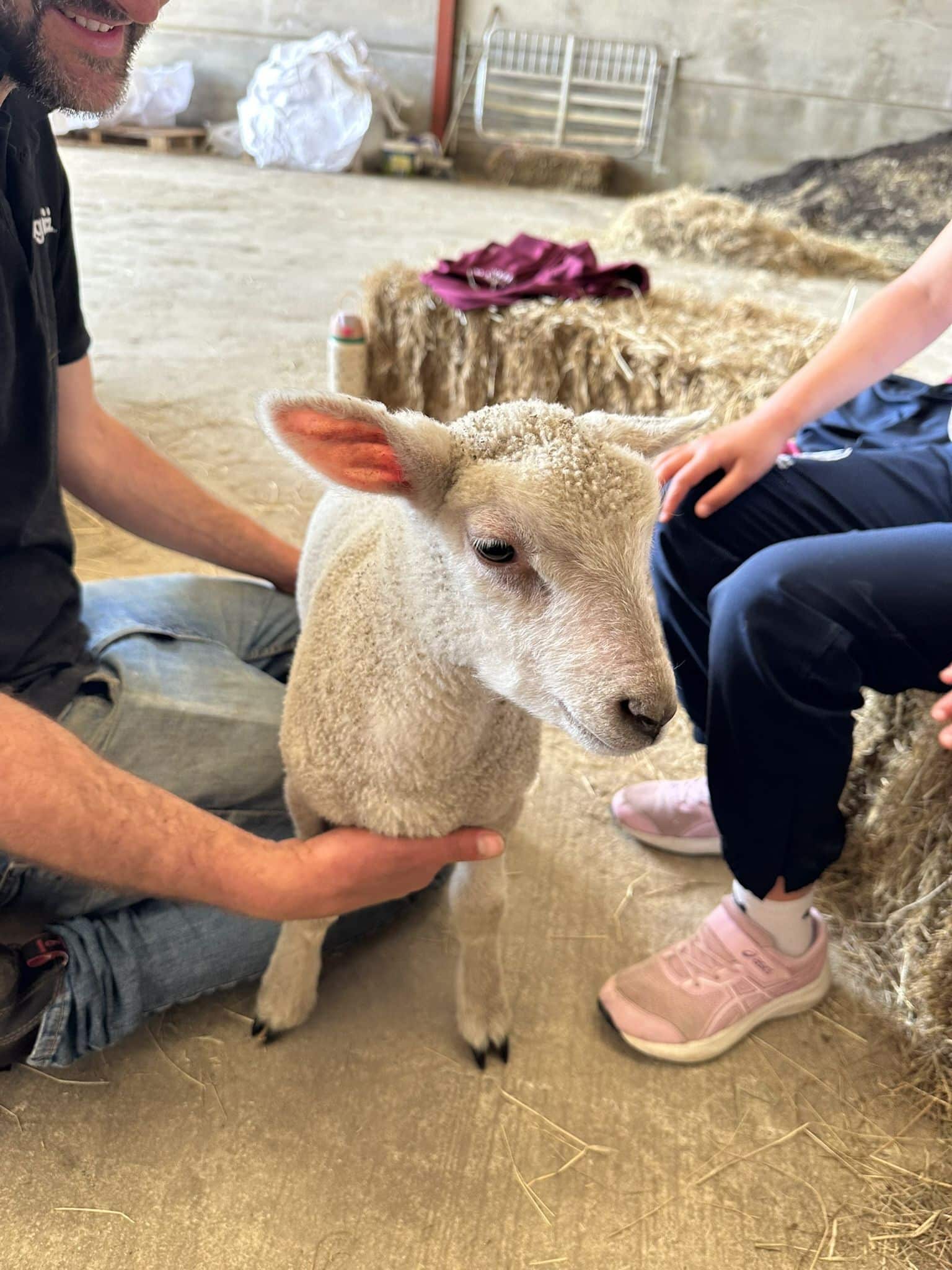
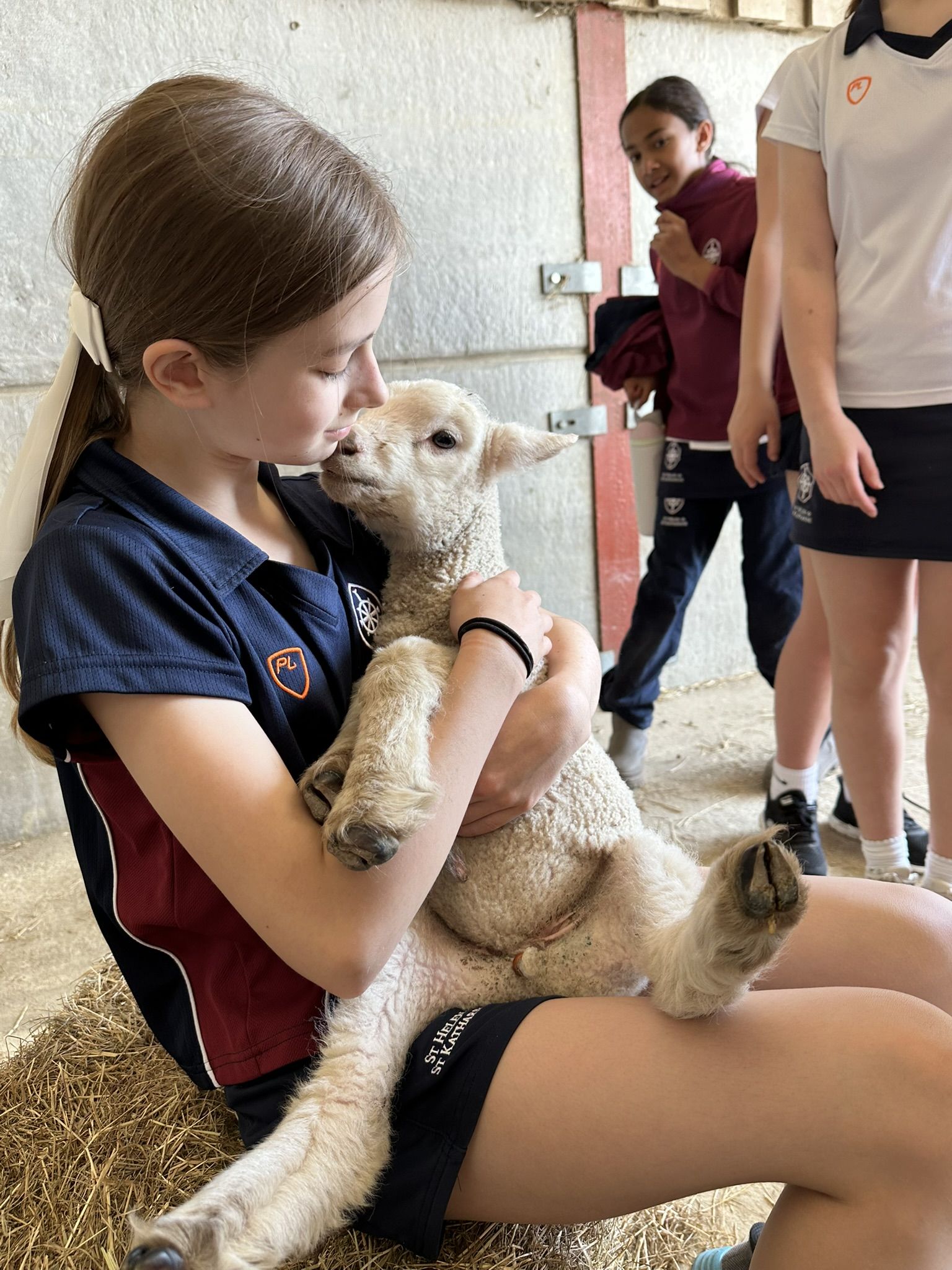
Churchill Farm also has sheep, and since it is spring there were some orphaned lambs that Y5 got to feed in the afternoon. They were very cute and guzzled the milk so quickly, shaking their tails. The lambs enjoyed being handled and were happy to be held.
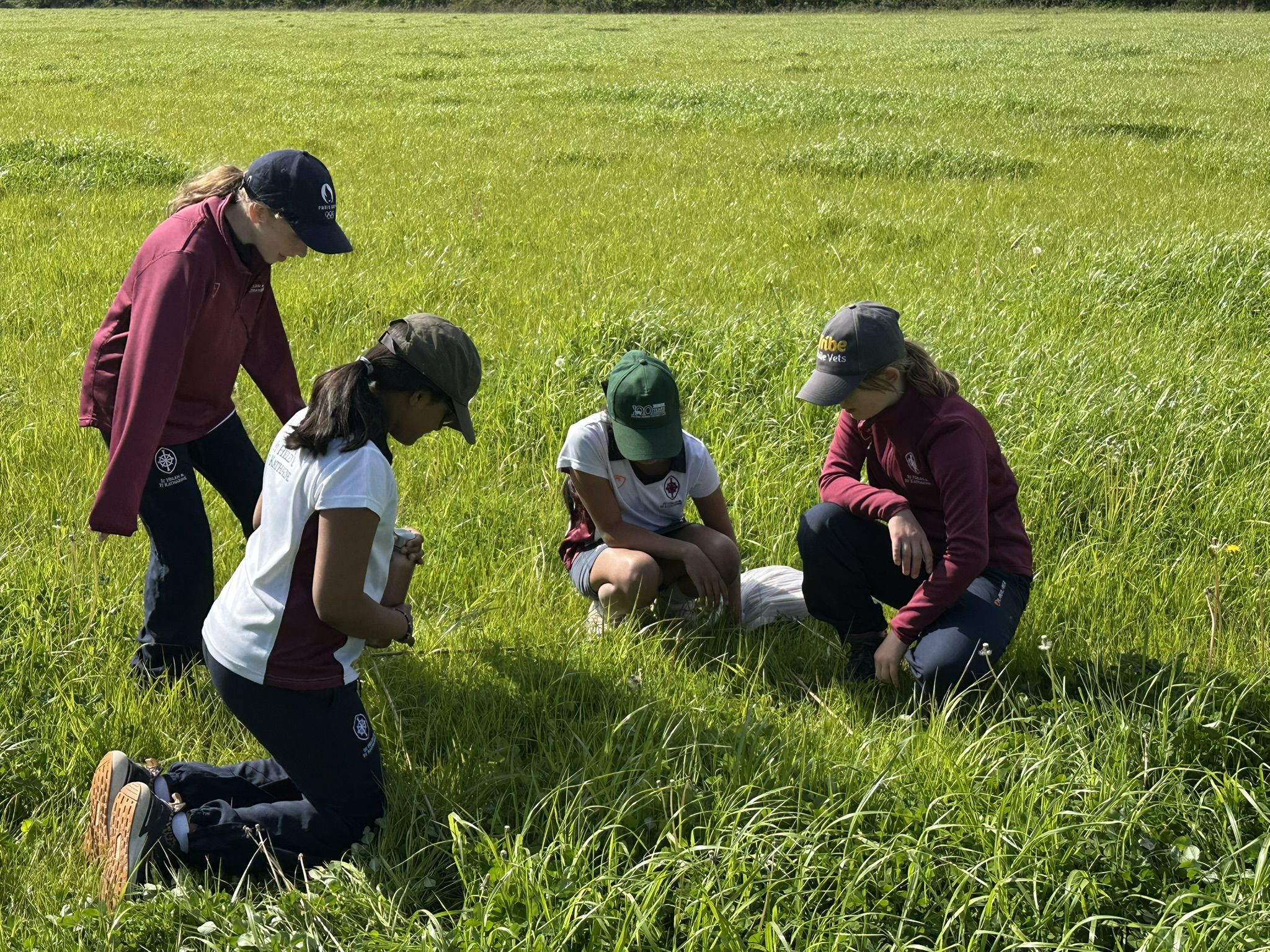
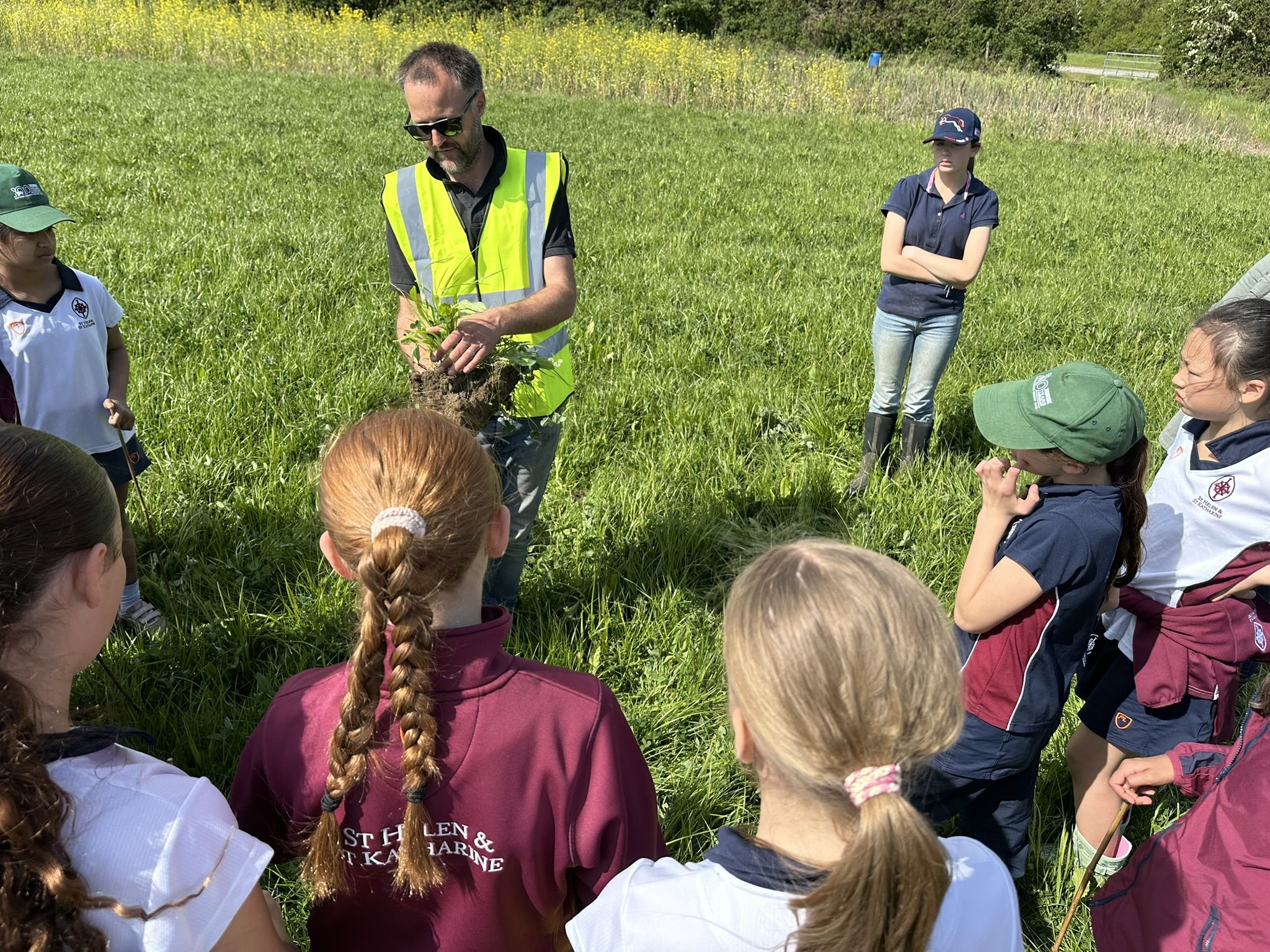
In the fields around the farm, there were lots of different species of plants as the farmers are aiming to increase the biodiversity of their land. Having a variety of plants provides positive nutrient exchange between plants and soil and creates a cycle of regeneration and stronger crops. Choosing particular plants can also be beneficial as longer tap roots (e.g. chicory and dandelions) provide holes for drainage and the shorter roots (different grasses) enable the soil structure to be more stable in very wet conditions. Located alongside the River Thames, this is incredibly important as Churchill fields flood regularly.
The farm has diversified with other small business ideas that provide different means of income to support their farming since keeping animals alone is not a reliable source of money. They host beehives, rent out enclosed dog paddocks for secure dog walking, have storage containers available on lease and also organise school visits, of which we are part. The farm benefits from government subsidies too which encourage hedgerow and wildflower strip planting for environmental improvements.
Our visit provided us the opportunity to find out about life on a farm, some of the realities involved in making a living and some of the stresses too. James and Fi talked to us about the importance of staying grounded and not allowing the problems that they have to deal with to control their mood. Staying upbeat and positive is crucial in such a variable career. As part of this, James was telling us about his recent participation in the Hawkstone Choir made up of 40 farmers from across the UK, that is enjoying success as part of the current BGT series. We will certainly be supporting them in the next round!
Learn more about our Outdoor Learning curriculum: