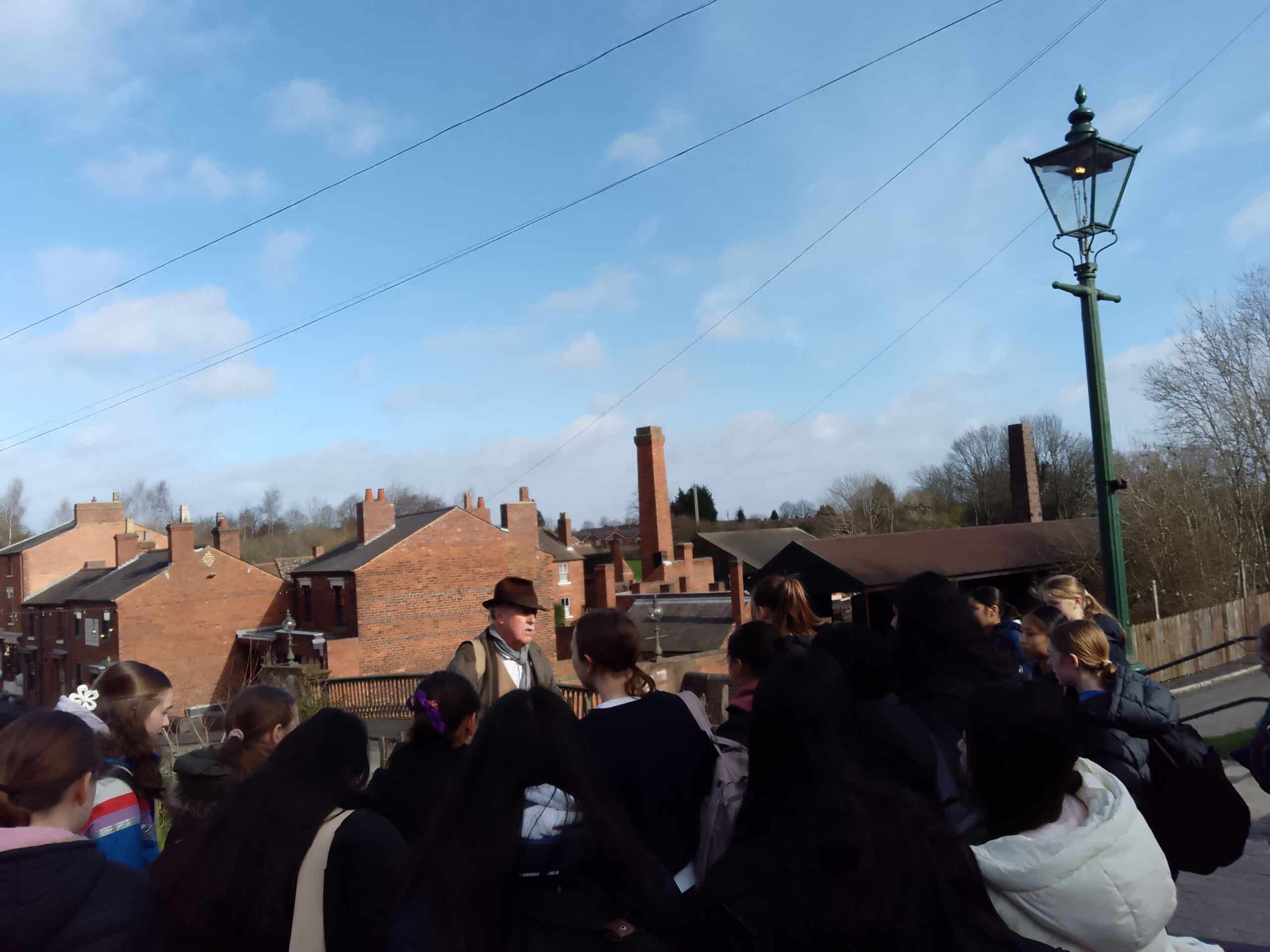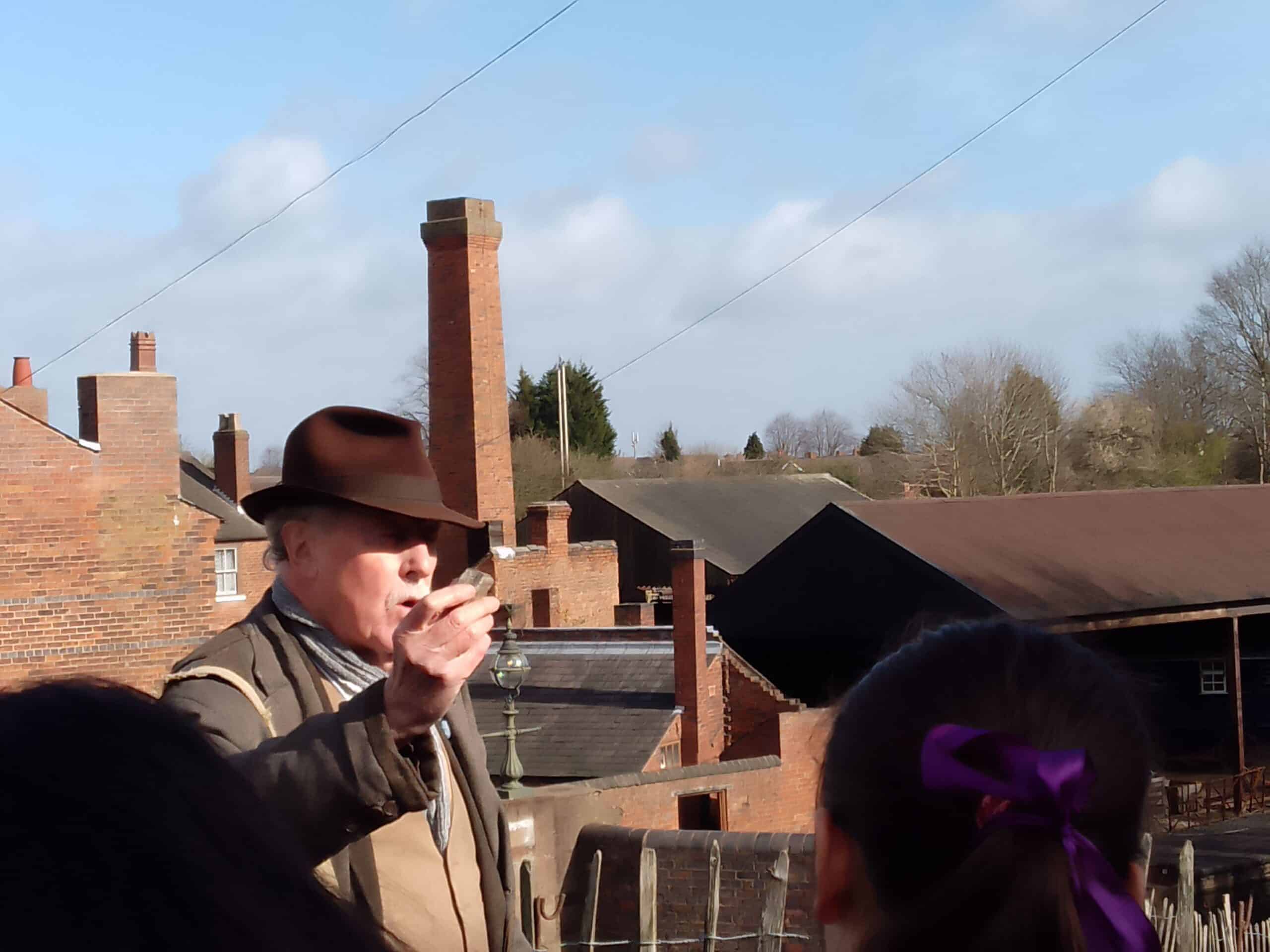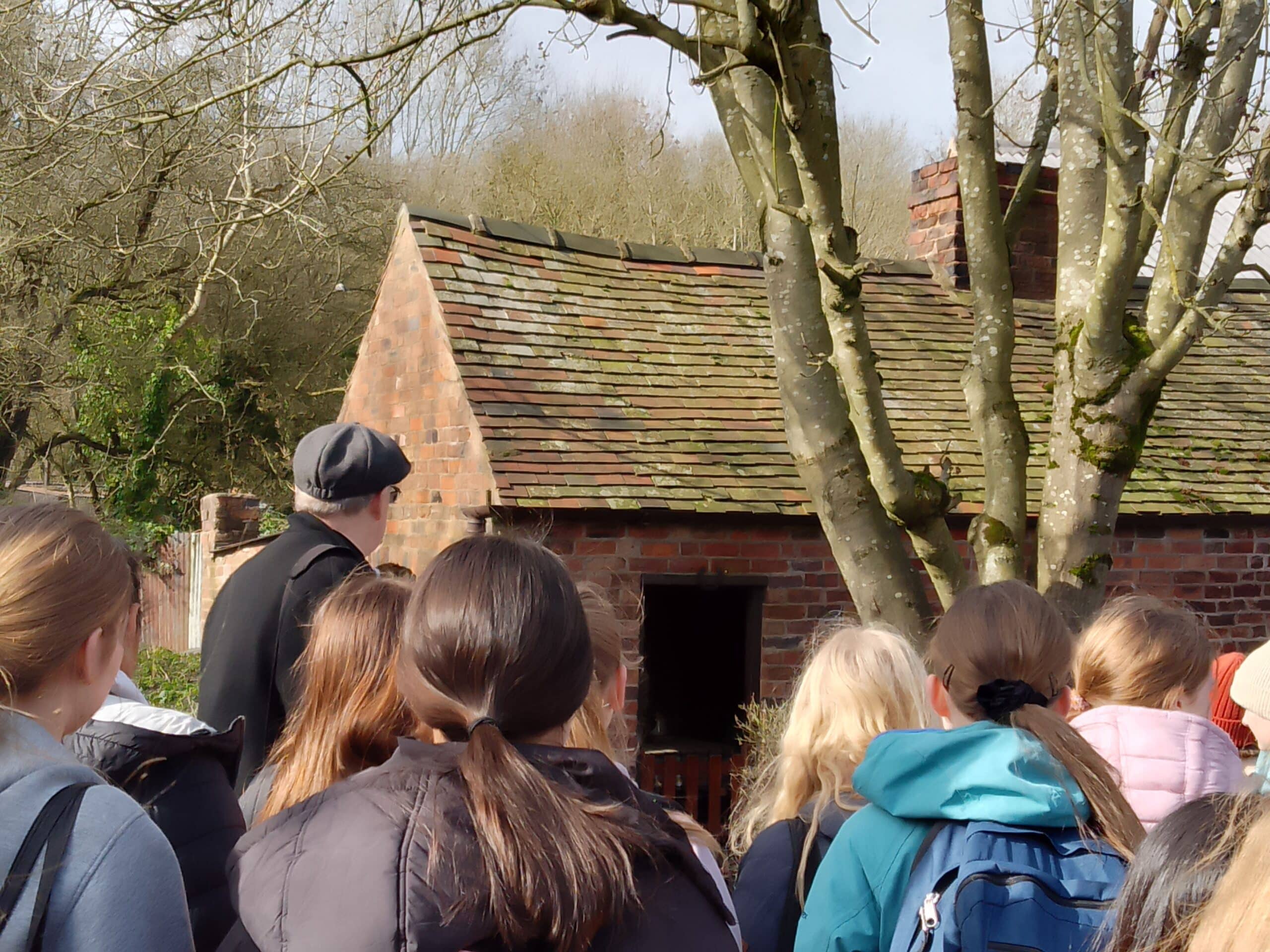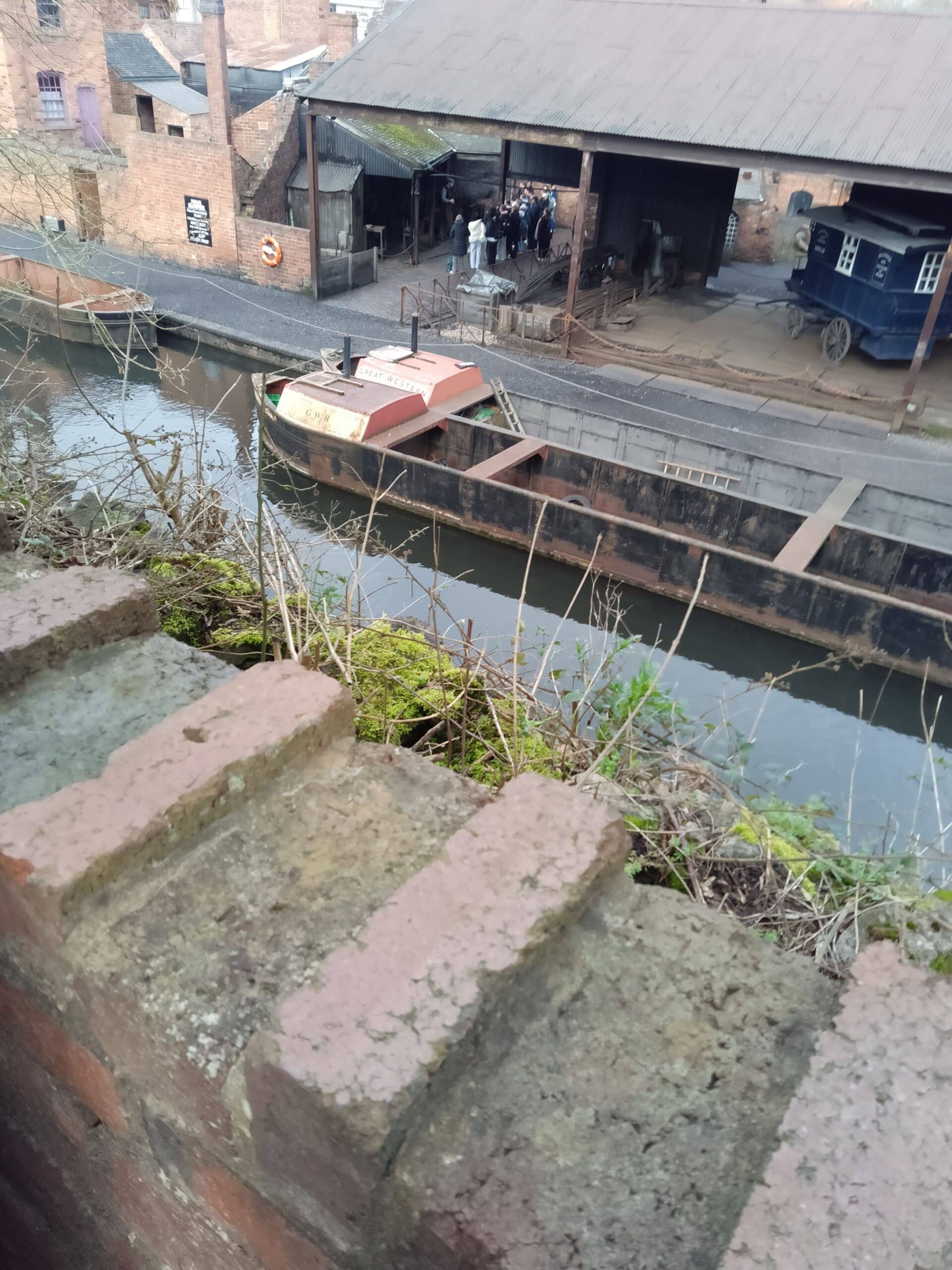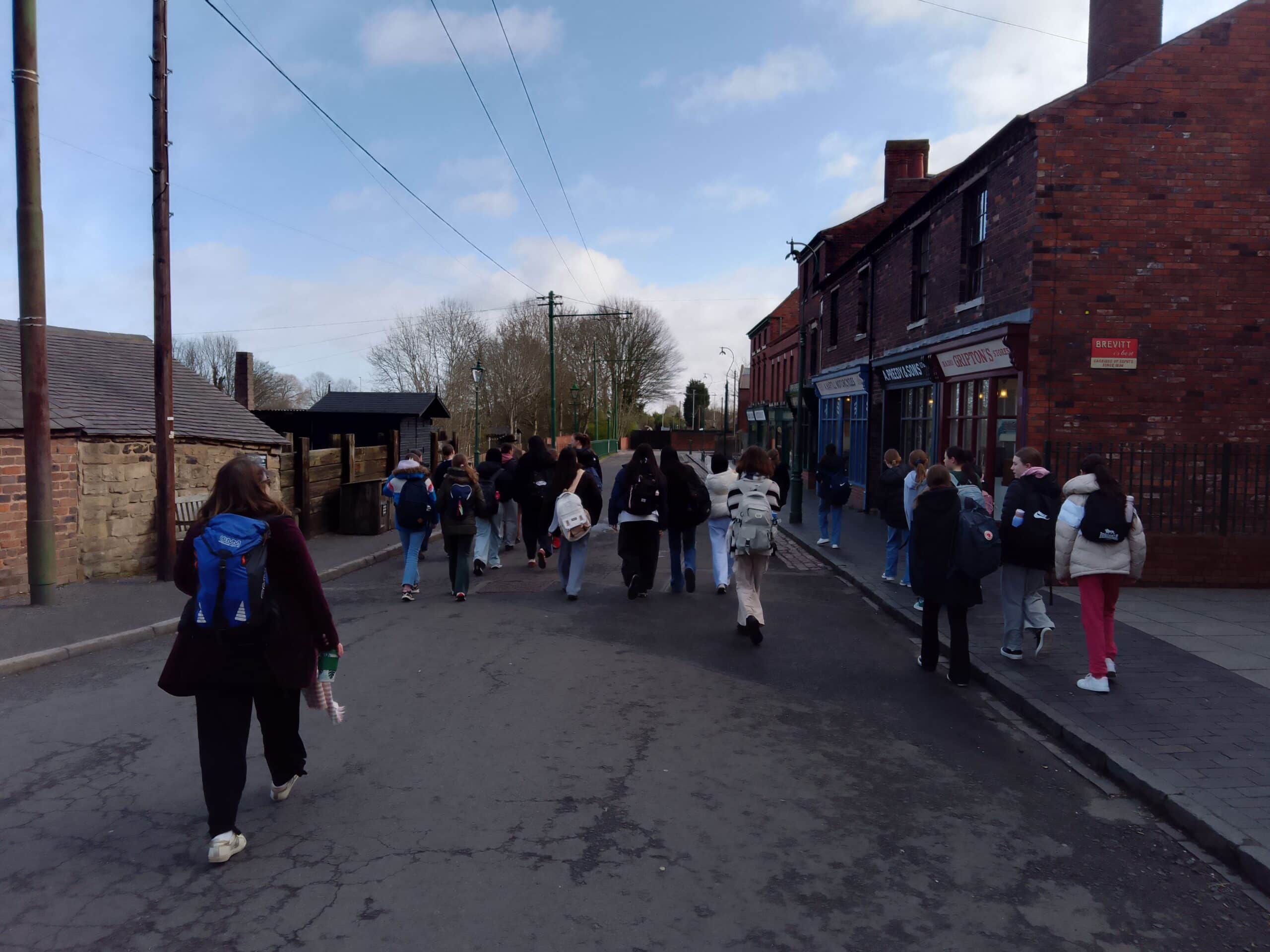









A Q&A with students Esme, Florence and Ines.
What surprised you most during the trip? What new knowledge did you find?
What surprised us the most was finding out about the underground coal mines. In particular, we learnt that nine or more miners went down the coal mines in a small ‘bucket’ to descend hundreds of feet. This was dangerous as three people were standing on the edge and there was a severe risk that they would fall. We also learned that they lowered down horses and ponies (which were often called ‘pit ponies’) using a leather harness attached to a chain. The horses even had their own barns underground as they were used frequently to transport coal. When the miners were underground, they would be exposed to toxic gases such as fire Dampf (methane) and choking Dampf (carbon dioxide). When candles were exposed to these gases, they would ignite, killing many men. They also invented the Methodes Chapel, which was a new concept where God’s teachings were spoken in English. Miners also had their own currency in tokens which wasn’t used anywhere else. In this time, women were considered ‘less capable’ and ‘stupid’ and this meant that they were paid a quarter of what men were paid, so when there were jobs that were easier or people couldn’t afford to pay them, they put women or children on the job. When women had to make food, they needed coal for their fire so they would collect the coal in prams. These points surprised us the most because they all played a key role in the Industrial Revolution and we found out just how much life differed from then and now.
How useful to historians is a ‘Living Museum’?
We think that living museums are useful to historians because they offer an engaging approach to history. It could help further historians understanding because they could test how tools and machinery worked by recreating activities such as farming or mining. This can help recognise what life was life during that time more physically as you can see how difficult some jobs were or imagine what life was like more easily. It also helps historians get a sense of reality and understanding of the living conditions and lifestyle.
Why was the Black Country important to the Industrial Revolution?
The Black Country was important to the Industrial Revolution because of its easily accessible amounts of coal, iron and coal production. These natural resources allowed the construction of railways, factories and ships as well as being one of the most crucial commodities traded. They also manufactured various animal traps for rabbits and small vermin for Australia. Therefore, the Black Country was important because it acted as the “workshop of the world”, it’s huge amounts of minerals fuelled Britain’s economic growth and led to many beneficial innovations.